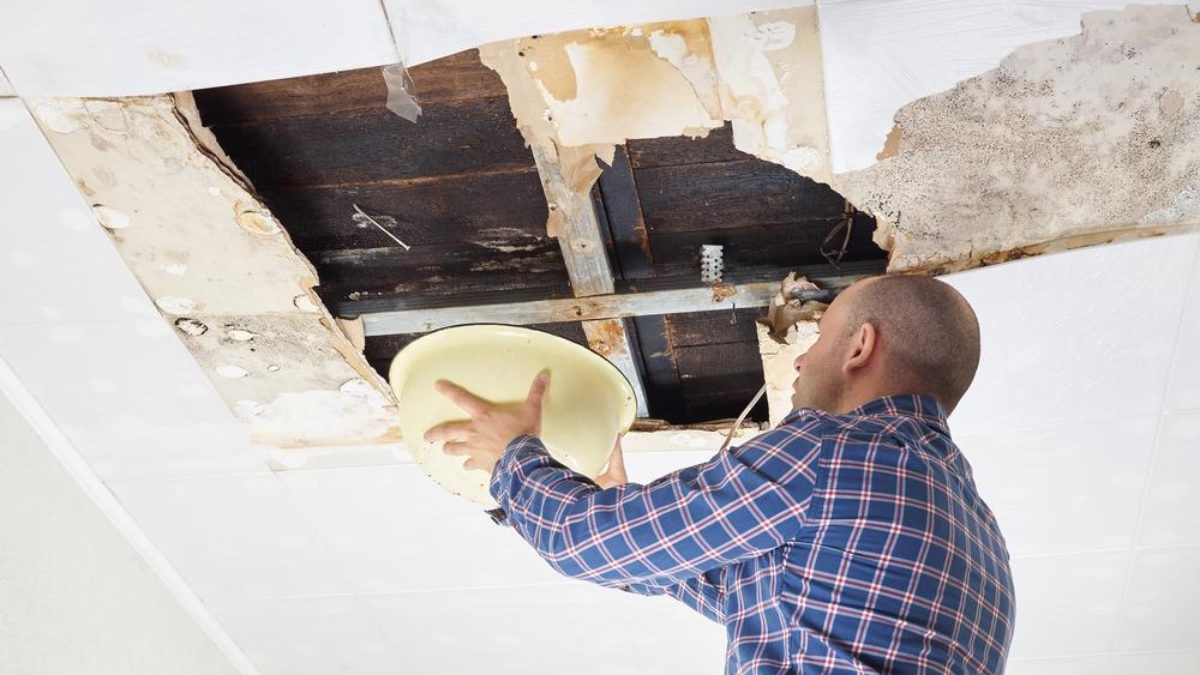
Roof leak mold may not be immediately visible, but it poses a significant threat to your home and health. In this guest post, we shed light on the five crucial aspects of roof leak mold that every homeowner should be aware of. From the first signs to its impact on indoor air quality, we provide a concise yet informative exploration of this perilous issue.
Detecting roof leak mold in its early stages is essential. Mold spores can thrive in hidden spaces, spreading silently and causing damage to your home’s structural integrity. By recognizing the telltale signs, such as musty odors, discoloration, or damp spots, you can intervene before the problem escalates. Timely action is the key to preventing extensive damage.
Understanding Roof Leaks
Identifying the Causes of Roof Leaks
Roof leaks can become a homeowner’s worst nightmare if left unattended. Understanding the root causes of roof leaks is the first step to preventing them. Often, leaks are a result of damaged or missing shingles. Harsh weather conditions, such as heavy rain, hail, or wind, can take a toll on your roof, causing shingles to crack or blow off. Poorly installed flashing around chimneys, vents, or skylights can also allow water to seep in. Clogged gutters can lead to water pooling on the roof, creating a perfect breeding ground for leaks. Regular roof inspections are essential to identify these issues promptly.
The Early Warning Signs
It’s crucial to be vigilant about early warning signs that your roof may be leaking. These signs include water stains on your ceiling or walls, which can sometimes be mistaken for innocent discoloration. A musty or damp odor in your home, especially in the attic, can indicate hidden leaks and the onset of mold growth. Furthermore, if you notice peeling paint or blistering wallpaper, it might be a consequence of roof leaks. Procrastinating repairs when these signs surface can exacerbate the issue, leading to costly repairs down the road.
The Risks of Roof Leak Mold
Health Hazards: Mold-Related Illnesses
Roof leaks that are left unaddressed can result in a perilous threat – mold growth. Mold is not only unsightly; it can pose serious health hazards to your household. Exposure to mold spores can lead to a variety of respiratory problems, allergies, and even severe illnesses. Symptoms may include coughing, sneezing, wheezing, and skin irritation. People with compromised immune systems or underlying health conditions are particularly vulnerable. The longer mold is allowed to thrive, the greater the health risks become, making immediate action vital to safeguard your well-being.
Structural Damage: Weakening Your Home
Beyond health concerns, roof leak-induced mold can wreak havoc on the structural integrity of your home. Mold feeds on organic materials, including wood, and over time, it can weaken your home’s framework. This weakening effect can compromise the safety of your home, leading to costly structural repairs. Mold also thrives in hidden spaces like wall cavities and insulation, making detection and eradication a challenge. Protecting your home’s structure and your investment necessitates addressing roof leaks promptly to prevent the devastating effects of mold on your property.
Prevention and Detection
Regular Roof Inspections
Regular roof inspections are your first line of defense against the perils of roof leak mold. It’s essential to schedule these inspections at least once a year, preferably during the dry season. A thorough examination of your roof can uncover early signs of damage, such as cracked or missing shingles, damaged flashing, or clogged gutters. These issues, if left unaddressed, can create opportunities for moisture intrusion, leading to mold growth. Hiring a professional roofer is advisable, as they can identify hidden trouble spots that may elude the untrained eye. Remember, early detection can save you from costly mold remediation down the road.
Immediate Action: Dealing with Leaks
If you notice a leak in your roof, it’s imperative to take immediate action. Leaks can rapidly escalate the risk of mold infestation. Start by locating the source of the leak and, if possible, temporarily patch it to prevent further water intrusion. Then, focus on drying the affected area. Use fans and dehumidifiers to reduce humidity levels, which deter mold growth. Additionally, inspect your attic or crawl space for signs of moisture, as mold can flourish in hidden areas. Consider seeking the assistance of a professional if the leak is severe or if you suspect mold is already present.
Remediation and Removal
DIY vs. Professional Mold Removal
Once mold has taken hold, you face a choice: DIY removal or professional intervention. DIY removal can be cost-effective for minor mold problems. To tackle it yourself, don appropriate safety gear, such as gloves, goggles, and a mask, and use a mixture of soap and water to scrub away the mold. However, if the mold infestation covers a large area, is in your HVAC system, or if you have health concerns, it’s best to consult a certified mold remediation specialist. Professionals have the expertise and equipment to ensure the mold is completely eradicated, reducing the risk of a recurring problem.
Steps to Safely Remove Mold
Whether you opt for DIY removal or hire professionals, the steps to safely remove mold are similar. Begin by isolating the affected area to prevent the spread of spores. Seal the room with plastic sheeting and tape. Prioritize your safety by wearing appropriate protective gear. Thoroughly clean and disinfect the moldy surfaces with a detergent solution, and allow them to dry completely. If you’re using DIY methods, ensure you dispose of contaminated materials properly. Professionals will handle this step for you. Once the area is clean, consider investing in a dehumidifier to maintain optimal humidity levels and prevent mold from returning. Regularly inspect and maintain your roof to minimize the chances of mold reappearing.
In summary, awareness and action are your allies in combating the perils of roof leak mold. Early detection and prevention through regular inspections can save your home from structural damage and health risks. When mold appears, choose between DIY or professional removal, ensuring a safe and thorough process. Act swiftly to protect your well-being and your property’s integrity.
Publisher’s Details:
Best Roofing
77 Buff Ave, Pasadena, CA 91107
When addressing the issue of roof leak mold, it’s crucial to be proactive. One way to prevent such problems is by considering various factors before planning a new roof installation. Best Roofing, a trusted roofing service provider, in Pasadena, CA, offers the best services in the industry. Consider their expertise for a seamless new roof installation.
Read: Consider These Factors When Planning A New Roof Installation